
By Rod Granger
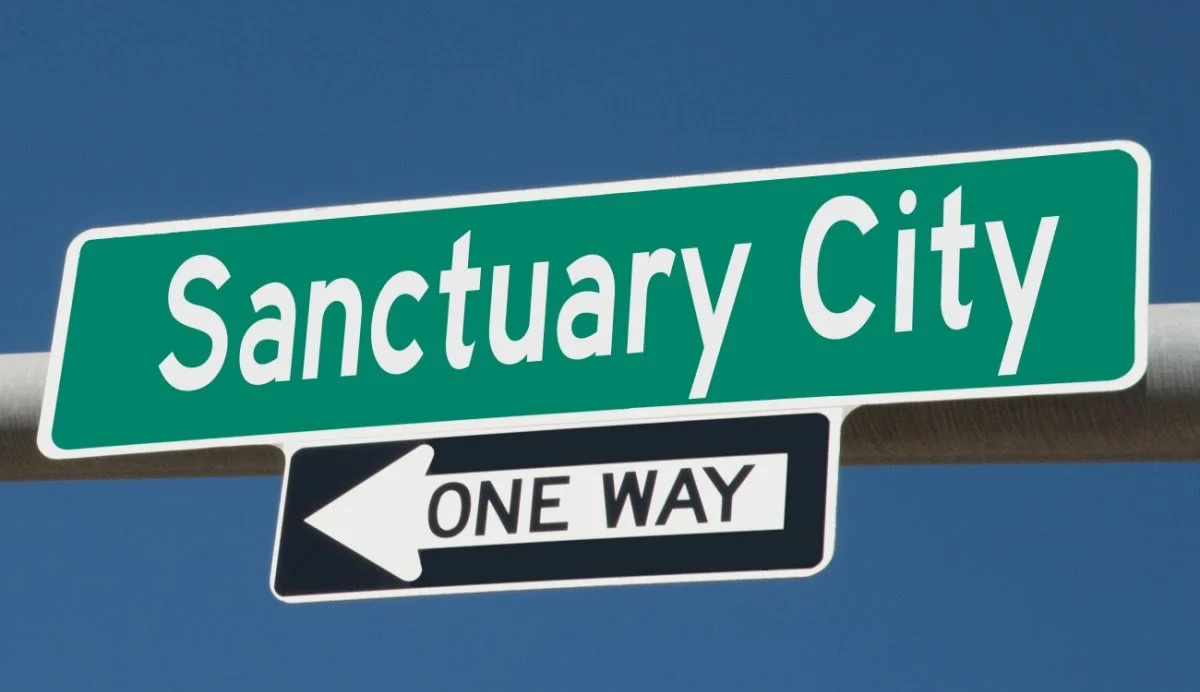
The term has become ubiquitous in discussions about immigration policies and protections. But what do we actually mean when we talk about sanctuary cities?
First and foremost, there is no specific legal definition that embodies their structure or components. You can’t point to one example and say “this” is how they all work; there is no sharing of specifically mandated policies or guidelines.
At the same time, it’s important to understand that all cities are underpinned by the fact that the federal government creates and ultimately enforces immigration laws. A sanctuary city’s focus and purpose, therefore, must be on protecting communities by limiting their cooperation with those federal authorities.
New York City first became a sanctuary city in 1989 when Mayor Ed Koch created an executive order that banned city employees from sharing immigrant-related information unless it concerned suspected criminal activity. Since that time there have been numerous attempts to thwart or roll back New York’s sanctuary status, the most recent being the Trump administration’s 2025 lawsuit alleging that some “aliens” find “safe havens in so-called sanctuary cities, where they are shielded among innocent Americans—who, all too often, later become their crime victims.” The case is ongoing.
So, where do things stand now?
Mayor Mamdani remains a fierce advocate for the protection of immigrant communities and New York City’s overall status as a sanctuary city. In February, he issued Executive Order 13: Protecting New Yorkers From Abusive Immigration Enforcement, which he described as “a sweeping reaffirmation of commitment to our immigrant neighbors and to the public safety as a whole.” Among the order’s proclamations:
ICE may not enter city property without a judicial warrant.
Private data protections will be strengthened.
City agencies must comply with sanctuary protections.
An interagency crisis response committee will be created.
On the state level, earlier this month Gov. Hochul announced an agreement reached with legislative leaders regarding immigration protections, including:
Establishing a state right to sue federal, state, and local officials, including ICE officers, for constitutional violations.
Banning federal, state, and local law enforcement from wearing masks while on duty.
Ensuring all students can access education without fear of ICE interference, codifying the right to a free public education regardless of immigration status.
There are many steps being taken in the right direction in terms of maintaining New York’s status as a sanctuary city. But it is essential to remain vigilant and proactive in the face of ongoing and heightened threats.
At Riverside, that means continuing to strengthen our community by providing essential services and tools, including improving English language skills; case management and counseling; workforce development; and digital literacy. Within this framework, our mission is to ensure that all participants are positioned to achieve economic mobility and social inclusion.
Historian Oscar Handlin said it eloquently: “Once I thought to write a history of the immigrants in America. Then I discovered that the immigrants were American history."